
- Home
- About Company
- Our Products
- Brochure
- Career
- Gallery
- Contact US
Shrink Wrapping
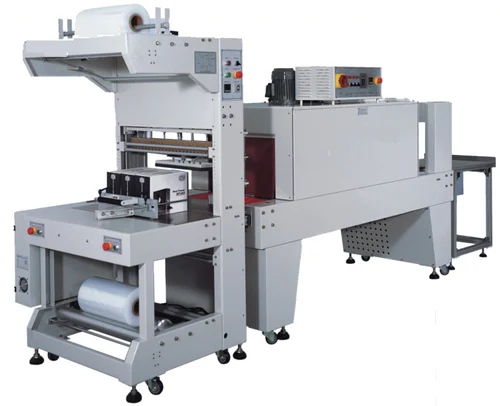
Shrink wrapping is a packaging method that uses a plastic film that shrinks tightly around a product when heat is applied, creating a secure, tamper-evident, and protective seal. This technique is used across many industries, from retail and food to electronics and automotive, to protect products from moisture, dust, and damage during storage and transport.
The process
- Enclose: A heat-shrinkable plastic film is loosely placed around a product or group of products.
- Seal: The film is sealed to create a bag or sleeve around the product. This is often done with an impulse sealer.
- Shrink: Heat is applied to the film, causing it to contract and pull tightly against the product's surface. Heat guns or shrink tunnels are commonly used for this purpose.
- Cool: As the film cools, it strengthens and locks the product in place.
Benefits
- Protection: It provides a barrier against dust, dirt, moisture, and UV rays.
- Security: It creates a tamper-evident seal that shows if the package has been opened.
- Presentation: The tight fit creates a professional, visually appealing package, often with a glossy finish. The transparency of the film also allows the product to be seen.
- Versatility: It can be used for a wide variety of items, from small products like greeting cards to large items like boats.
- Space efficiency: Shrink-wrapped products take up less space, which optimizes storage and shipping.
Common uses
- Retail: Packaging books, toys, electronics, and other goods to protect them and make them display-ready.
- Food: Wrapping products like chocolate, beverages, and produce for hygiene and freshness.
- Industrial: Bundling multiple products together or protecting larger items during storage or shipping.